Sunday, February 16, 2025

Exploring the World with Your Dog


There’s something magical about setting off on an adventure with your best friend, your dog by your side. Imagine the thrill of discovering hidden parks, cobblestone streets, and sprawling landscapes, all seen through the eyes of a curious dog who greets every new scent with boundless excitement. Whether you're venturing beyond your hometown or exploring local escapes, dog-friendly travel transforms every journey into a shared story of wonder and joy.

Embracing the Adventure Together

Every trip begins with that first joyful leap into the unknown. As you buckle up for a road trip or board a plane, your dog’s eager eyes and wagging tail say it all—they’re ready to explore. Many pet parents find that when their four-legged companion is with them, even the simplest walk in the park becomes a grand expedition. As one travel essay in Condé Nast Traveler beautifully puts it, traveling with a pet can change the way you experience the world, turning everyday scenes into magical moments 


Dog-Friendly Travel: Tips and Tales

Plan with Both of You in Mind

Before you hit the road, make sure your dog’s vaccinations and health checks are up-to-date. Pack all the essentials: food, treats, a sturdy leash, a favorite toy, and perhaps even a collapsible water bowl. Remember, a well-planned trip means fewer surprises and more moments of joy. Whether you’re planning a weekend getaway or a cross-country road trip, research your destination for pet-friendly accommodations, parks, and dining spots.

Local Escapades: Finding Adventure at Home

You don't always have to travel far to find adventure. Local parks, nature reserves, and even urban green spaces can offer hours of exploration. Take your dog to nearby trails, visit community dog parks, or simply wander through city streets where pet-friendly cafes invite you both to pause and recharge. In cities like Kuala Lumpur, for example, spots like KLCC Park provide a refreshing blend of urban energy and natural beauty, perfect for a leisurely stroll.

Outdoor Escapades: Nature’s Playground

For those who crave more than just a city break, nature is the ultimate playground. Picture yourself trekking through a lush forest reserve, where every rustle of leaves sparks your dog's curiosity, or lounging on a sun-kissed beach with your pup splashing in the surf. Whether it’s the coastal charm of a beach retreat or the rugged beauty of a mountain hike, outdoor adventures create unforgettable memories. One winter campervan trip through the Alps, for example, turned mishaps into cherished memories as the family learned to adapt and explore.

Traveling Through Their Eyes

Imagine the world as your dog sees it—a tapestry of vibrant scents, intriguing sounds, and endless possibilities. A simple walk might become an epic quest, where every tree, lamppost, and passing stranger holds a story waiting to be discovered. Your dog's perspective is refreshingly uncomplicated. They delight in the texture of cool grass, the splash of a fountain, or the excitement of a new friend’s pat on the head. By sharing these moments on your blog or social media, you invite others to see the world through a lens of unfiltered joy and wonder.

Making Every Journey Count

Traveling with your dog isn’t just about the destination—it’s about the journey. It’s in those long car rides filled with playful barks and excited whimpers, the spontaneous pit stops at pet-friendly cafes, and the shared silences as you both watch a sunset. Every moment, from the bustling city streets to the quiet of a forest trail, is enriched by the presence of your loyal companion.

So, whether you're planning an international adventure or a local outing, embrace the world with your dog by your side. Let each journey be a story of exploration, filled with the simple, heartwarming moments that only a pet can bring.

Happy trails and may every path you take be filled with tail wags and wonder!

Thursday, February 13, 2025

Zen Dog Walking: Mindful Strolls with Your Dogs

What Is Zen Dog Walking?

Imagine turning your daily dog walk from a chore into a calming, joyful ritual. That’s Zen Dog Walking! It’s about being fully present with your pup—letting go of distractions (goodbye, scrolling!), tuning into your senses, and savoring the simple act of moving through the world together. Think of it as a "walking meditation" where you and your dog sync up, slow down, and appreciate the little things: sniffing flowers, feeling the breeze, or watching squirrels dart up trees. It’s not just exercise; it’s connection.

Why Mindfulness Matters on the Walk

Studies show it reduces stress, lowers cortisol levels, and improves emotional resilience. For dogs, mindfulness aligns with their natural state: they live in the moment, unburdened by past regrets or future anxieties. By syncing with your dog’s innate mindfulness, you can turn walks into a shared meditation.


But there’s more. Dogs are masters of sensory awareness. They sniff, listen, and observe the world with a curiosity we’ve often lost. When we mindfully join them, we not only honor their instincts but also reawaken our own connection to the environment.


FAQs for the Mindful Dog Walker


Q: How long should a mindful walk be?
A: Quality over quantity! Even 15 minutes of focused walking beats an hour of distraction.


Q: What if my dog is too energetic to slow down?
A: Start with short mindful segments (e.g., 5 minutes), then let them burn energy. Gradually increase mindful time.


Q: Can I practice this with a retractable leash?
A: Fixed leashes (4–6 feet) work best for maintaining connection and reducing tension.


Q: What if I’m a beginner at mindfulness?

A: Start small! Focus on one sense (e.g., smell) per walk, then build from there.


Mindful dog walking isn’t about perfection—it’s about presence. Some days, your dog might zigzag endlessly or roll in mud. Other days, you’ll battle distractions. But each walk is a fresh chance to practice patience, curiosity, and gratitude.


By embracing the Zen of dog walking, you’ll discover that the journey matters far more than the destination. After all, dogs aren’t rushing to finish their walks; they’re savoring every step. Why shouldn’t we?


Saturday, June 24, 2023

What type of food is poisonous for your dogs?


If you love your dog, you probably want to share everything with them, including your food. But did you know that some human foods can be very dangerous for dogs? Some foods can cause serious health problems or even death for your dog. Here are some of the most common foods that are poisonous to dogs and why you should avoid them.

1. Chocolate

Chocolate is one of the most popular treats for humans, but it can be deadly for dogs. Chocolate contains a substance called theobromine, which is similar to caffeine and can stimulate the nervous system and heart of dogs. Depending on the type and amount of chocolate ingested, dogs can experience vomiting, diarrhea, increased thirst, restlessness, tremors, seizures, irregular heartbeat, and even death. Dark chocolate and baking chocolate are more toxic than milk chocolate, but all types should be kept away from dogs.

2. Grapes and raisins

Grapes and raisins may seem like harmless snacks for dogs, but they can cause acute kidney failure in some cases. The exact mechanism of toxicity is unknown, but it only takes a few grapes or raisins to cause serious damage. Symptoms of grape or raisin poisoning include vomiting, diarrhea, lethargy, loss of appetite, abdominal pain, decreased urine output, and kidney failure. If you suspect your dog has eaten grapes or raisins, contact your vet immediately.

3. Onions and garlic

Onions and garlic are members of the allium family, which also includes leeks, chives, and shallots. These foods contain a compound called thiosulfate, which can damage the red blood cells of dogs and cause anemia. Anemia can lead to weakness, pale gums, rapid breathing, and collapse. Some breeds of dogs, especially Japanese ones like Akitas and Shiba Inus, are more sensitive to onion and garlic toxicity. Onion and garlic poisoning can occur from eating raw, cooked, or powdered forms of these foods.

4. Xylitol

Xylitol is a sugar substitute that is often found in sugar-free gum, candy, baked goods, toothpaste, and other products. Xylitol can cause a rapid drop in blood sugar levels in dogs by stimulating the release of insulin from the pancreas. This can result in hypoglycemia, which can cause vomiting, weakness, confusion, seizures, coma, and death. Xylitol can also damage the liver of dogs and cause liver failure. Even small amounts of xylitol can be toxic to dogs.

5. Macadamia nuts

Macadamia nuts are delicious for humans but harmful for dogs. Macadamia nuts contain a toxin that affects the nervous system and muscles of dogs. Dogs that eat macadamia nuts can experience weakness, tremors, depression, vomiting, hyperthermia (elevated body temperature), and paralysis. The symptoms usually appear within 12 hours of ingestion and last for up to 48 hours. There is no specific antidote for macadamia nut poisoning in dogs.

6. Avocado

Avocado is a healthy fruit for humans but not for dogs. Avocado contains a substance called persin,
which can cause gastrointestinal irritation and vomiting in dogs. Avocado also has a large pit that can be a choking hazard or cause intestinal obstruction if swallowed by dogs. Additionally,
avocado is high in fat and can contribute to pancreatitis in dogs.

7. Alcohol

Alcohol is obviously not a food but it is something that some people may give to their dogs as a joke or by accident. Alcohol can have serious consequences for dogs as it can depress their central nervous system and cause vomiting, diarrhea, breathing difficulties, low blood pressure, hypothermia, coma,
and death. Dogs are more sensitive to alcohol than humans because they have a smaller body size and a different metabolism. Never give your dog any alcoholic beverages or products that contain alcohol.


These are just some of the foods that are poisonous to dogs. There are many others that can also be harmful or fatal to your dog. To keep your dog safe and healthy, always check the ingredients of any food you give them and consult your vet before introducing any new foods to their diet.

Remember, what is good for you may not be good for your dog.

Tuesday, May 30, 2023

How do I know if my dog has Heat Stroke

Recognizing the signs of heatstroke in dogs is crucial for prompt intervention. Here are some common indicators that your dog may be experiencing heatstroke: 

1. Excessive Panting: Rapid, heavy, and exaggerated panting is one of the initial signs of heatstroke. Your dog may be trying to cool down by increasing their respiratory rate.

2. Excessive Drooling and Salivating: Heat-stressed dogs often exhibit excessive drooling and may have thick, ropey saliva. This is their body's attempt to cool down through evaporation.

3. Elevated Body Temperature: Using a rectal thermometer, you can check your dog's body temperature. A rectal temperature of 104 degrees Fahrenheit (40 degrees Celsius) or higher is a concerning sign.

4. Rapid Heart Rate and Pulse: Heatstroke can lead to an elevated heart rate as the body tries to circulate blood for cooling. Feel your dog's heartbeat in the groin area, inside the hind leg.

5. Reddened Gums and Tongue: Heat-stressed dogs may have bright red gums and a tongue that appears dark or bright red due to increased blood flow.

6. Weakness and Lethargy: Your dog may become weak, lethargic, and unsteady on their feet. They may struggle to walk or even collapse.

7. Vomiting and Diarrhea: Heatstroke can cause gastrointestinal distress, resulting in vomiting and diarrhea.

8. Lack of Coordination: Dogs suffering from heatstroke may display lack of coordination, stumbling, or disorientation.

9. Seizures or Unresponsiveness: In severe cases, heatstroke can lead to seizures, loss of consciousness, or a comatose state.


If you notice any of these signs in your dog, it's crucial to act quickly:

Move your dog to a cooler area immediately, preferably with shade or air conditioning.

Apply cool (not cold) water to their body, particularly the abdomen, groin, and paws. You can also use wet towels or fans to aid in cooling. Offer small amounts of water to drink, but do not force it. Contact your veterinarian or an emergency veterinary clinic for guidance and let them know you suspect heatstroke. It's important to remember that heatstroke is a life-threatening emergency. Time is of the essence, and professional veterinary care should be sought without delay. Prevention is key, so be proactive in keeping your dog cool, providing shade, fresh water, and avoiding excessive heat exposure.

Heat Stroke in dogs


Heatstroke in dogs is primarily caused by exposure to excessive heat and an inability to regulate their body temperature effectively. The condition occurs when a dog's internal temperature rises above the normal range, typically around 101 to 102.5 degrees Fahrenheit (38.3 to 39.2 degrees Celsius). Several factors can contribute to heatstroke:


  1. High Environmental Temperature: Dogs are more susceptible to heatstroke when exposed to hot and humid environments, especially if there is limited ventilation or shade. High temperatures can overwhelm a dog's cooling mechanisms.

  2. Excessive Physical Activity: Engaging in vigorous exercise or prolonged exertion, particularly in hot weather, can lead to heatstroke. Dogs with high energy levels or those participating in activities like intense play, running, or working are at higher risk.

  3. Restricted Ventilation: Leaving a dog in a car, even with the windows slightly open, can quickly turn into a life-threatening situation. The temperature inside a vehicle can rise rapidly, even on relatively mild days, leading to heatstroke.

  4. Breed and Physical Characteristics: Certain dog breeds are more susceptible to heatstroke due to their physical traits. Brachycephalic breeds (short-nosed dogs) like Bulldogs, Pugs, and Boxers, as well as dogs with thick coats or underlying health conditions, have a harder time regulating their body temperature.

  5. Lack of Water and Shade: Dehydration and insufficient access to water exacerbate the risk of heatstroke. Dogs should always have access to fresh drinking water, and when outside, they should be provided with shade to seek relief from the heat.

  6. Stress and Anxiety: Stressful situations or excessive excitement can raise a dog's body temperature. Events like fireworks, thunderstorms, or crowded environments can contribute to heatstroke if dogs are unable to cool down adequately.

It's crucial to note that heatstroke is a serious and potentially life-threatening condition. Symptoms include excessive panting, rapid breathing, drooling, weakness, vomiting, collapse, and seizures. If you suspect your dog is experiencing heatstroke, immediate veterinary attention is necessary. In the meantime, move your dog to a cooler area, apply cool (not cold) water to their body, and offer small amounts of water to drink.

Preventing heatstroke involves taking proactive measures, such as avoiding strenuous activities during the hottest parts of the day, providing ample shade and fresh water, and never leaving a dog unattended in a vehicle. By understanding the causes and taking preventative measures, you can help protect your canine companion from the risks of heatstroke.

Wednesday, February 22, 2023

The Basics of Dog Training Commands

The majority of dog owners in the world have one common problem with their dogs. They refuse to do what they are supposed to do. Some dog owners only have behavior problems with their dogs when other people are around.  These dogs have had no training whatsoever. 


I often come across dog owners who struggle with getting their dogs to obey basic commands. The common problem is not with the dogs themselves but with their owners. It's crucial for dog owners to take charge and become the leader of the pack. With the right dog training commands, you can establish a bond with your dog
and be in control.

Every trainer has their own list of dog training commands, but there are five basics that every dog owner should know. Firstly, the "heel" command means that your dog should stop walking and stand beside you. Secondly, "sit" is self-explanatory and helps with obedience and impulse control. The third command is "down" which is used to get your dog to stop jumping up on people. It's important to use only the single word "down" to avoid confusion.

The fourth command is "stay," which is essential for safety and to prevent your dog from running off. And finally, "come" is a release command that sets your dog free from the previous commands. Your dog's name is also an effective attention-grabber and should be rewarded during training sessions. You should use a firm tone and consistent hand signals when teaching these commands.

To become a respected by your dog, you need to stand tall and show your authority through your body language. Be consistent and firm with the training commands, and avoid yelling or physical punishment. The training process can be a natural bonding experience between you and your dog. By following these simple commands and training techniques, you'll be able to take control of your pet and have a stress-free life with your loyal companion.

Monday, February 20, 2023

What is your Dog Saying?

Dogs are known for their ability to communicate with their owners and other dogs, but sometimes their language can be hard to understand. From body language to vocalizations, dogs use a variety of methods to express their emotions and needs. So, what is your dog saying? Here's a breakdown of some of the most common ways that dogs communicate:

Body Language
Dogs use their body language to communicate a range of emotions, from excitement and happiness to fear and aggression. Here are some common body language cues to look out for:

Tail wagging:Tail wagging is one of the most recognizable signs of canine body language, and it is often interpreted as an expression of happiness and friendliness. However, it's important to consider the context and other body language cues to determine the meaning behind a dog's tail wag.

A loose, relaxed tail wag with a curved tail may indicate a happy, relaxed dog, while a fast, stiff tail wag with an erect tail may indicate a highly aroused or excited dog. Additionally, a tucked or low tail, or a slow, stiff tail wag, may indicate fear, anxiety, or aggression.

Ears: A dog's ears can also provide important cues about their emotional state. When a dog is happy or relaxed, their ears will be in a natural, relaxed position. When a dog is afraid or anxious, their ears may be pinned back against their head.

Eye contact: Direct eye contact can be seen as a challenge or a threat by some dogs, while avoiding eye contact can indicate fear or submission.

Vocalizations
Dogs use a variety of vocalizations to communicate their needs and emotions, including barks, whines, growls, and howls. Here are some common vocalizations and what they may mean:

Barking: Dogs bark for a variety of reasons, including to alert their owners of potential danger or to communicate their excitement or anxiety.

Whining: A dog may whine to indicate their need for attention, food, or water, or to express fear or anxiety.

Growling: A growl can be a sign of aggression or fear, but it can also be a way for a dog to communicate their discomfort or displeasure.

Howling: Dogs may howl to communicate with other dogs or to express their excitement or anxiety.

Understanding your dog's communication cues is an important part of building a strong bond and relationship with them. By paying attention to their body language and vocalizations, you can better meet their needs and provide them with the care and attention they deserve.


Friday, February 17, 2023

Teething Puppies


Puppies teething is an important and sometimes painful stage in a young dog's life. During this time, puppies will start losing their baby teeth and new adult teeth will begin to emerge. This process can be uncomfortable for your puppy and can lead to them chewing on inappropriate objects in an attempt to soothe their discomfort. As a puppy owner, it's important to understand the teething process and how to help your dog through it.

Here are some tips to help your puppy during the teething stage:

Provide Appropriate Chewing Toys


If you catch your puppy chewing something inappropriate, sternly say “NO,” and give your puppy an appropriate chew bone or toy. Praise him when he begins to chew on the appropriate item. Bitter-tasting liquids are very helpful to apply to your furniture . Puppies will naturally want to chew on things as their teeth start to come in. Providing appropriate chew toys can help redirect their chewing habits away from your furniture or other inappropriate items. Choose an assortment of toys of all textures. In fact, dogs need to chew throughout their lives. It is wise to provide your adult toy dog with plenty of chew toys and bones that are soft and hard. Select items that are the right size for your toy breed puppy or dog. Choose carefully because some of the toys on the market might be just a little too hard for a toy breed. Avoid cow hooves with sharp edges. Broken teeth and sliced gums can be a real problem for dogs and puppies who chew on processed cow hooves.

Frozen Treats
Frozen treats can provide relief for your puppy's sore gums. Consider freezing a wet washcloth or a puppy-sized Kong toy filled with peanut butter or yogurt. The cold will help numb their gums and provide a soothing sensation.

Supervise Your Puppy
It's important to supervise your puppy during the teething stage to prevent them from chewing on inappropriate items. This is especially important if you have other pets or small children in the house. Keep your puppy in a safe area where they can't access anything that could harm them or damage your property.

Keep Their Teeth Clean
As your puppy's teeth begin to emerge, it's important to start a regular dental care routine. This can include brushing their teeth with a puppy-friendly toothpaste or providing them with dental chews to help keep their teeth clean and healthy. A healthy mouth is important for your puppy's overall health and well-being.

Be Patient
Teething can be a difficult and uncomfortable time for your puppy. They may be more irritable or need extra attention during this time. Be patient and understanding with your furry friend as they go through this stage. They will eventually grow out of it and be on their way to becoming a well-adjusted and happy adult dog.

In conclusion, puppies teething is an important and sometimes challenging stage in a puppy's life. By providing appropriate chew toys, frozen treats, supervising your puppy, keeping their teeth clean, and being patient, you can help your furry friend through this stage. Remember, this too shall pass, and before you know it, your puppy will have a full set of adult teeth and be on their way to becoming a happy, healthy adult dog.

Wednesday, February 15, 2023

Steps To Teach your dog how to sit:

 If you're a dog owner, teaching your dog on the basic obedience commands such as "sit" is an important part of their training. Not only will it help keep your dog safe, but it will also make your life easier and more enjoyable with your new companion.

So, how do you teach your dog to sit? It's actually quite simple, and with a little bit of patience and consistency, you can have your dog sitting on command in no time. Here are the steps to follow:

Step 1: Get your dog's attention.

Before you begin training, you'll need to get your dog's attention. Call their name or use a toy or treat to get them focused on you.


Step 2: Show your dog the treat.

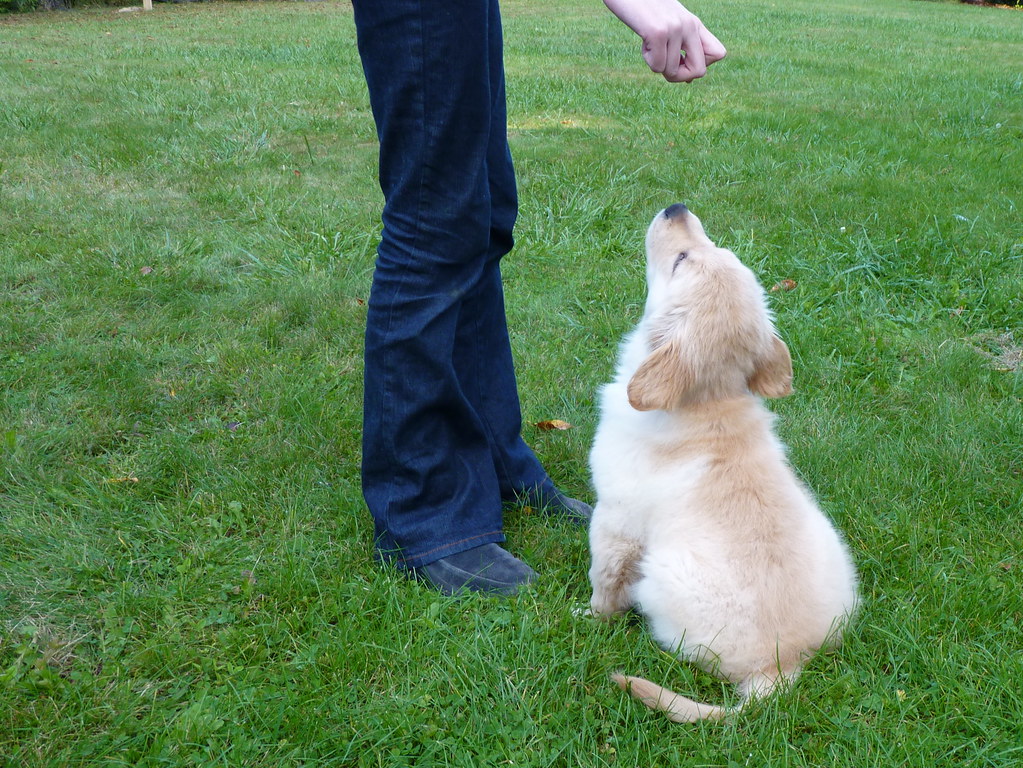
Hold a treat in your hand and bring it up to your dog's nose. This will get them interested and focused on the treat.

Step 3: Move the treat up and back.

Slowly move the treat up and back over your dog's head. As you do this, their natural response will be to sit down to keep their eyes on the treat.

Step 4: Say "sit"

As your dog begins to sit down, say the command "sit" in a clear, firm voice. This will help your dog associate the action with the command.

Step 5: Reward your dog

Once your dog is sitting, give them the treat and praise them with verbal praise, such as "good dog!" This will reinforce the behavior and make them more likely to repeat it in the future.

Step 6: Practice regularly

Repeat this process several times a day to reinforce the behavior and help your dog learn to sit on command. Over time, you can gradually phase out the treats and use verbal praise and physical affection instead.

Remember, training takes patience, consistency, and positive reinforcement. By following these steps and practicing regularly, you can teach your dog to sit on command and build a strong bond with them that will last a lifetime.

Puppy Potty Training

Puppy potty training can be a challenging but essential task for any new dog owner. It is a crucial process that helps to teach your new puppy how to relieve themselves in the appropriate place and maintain good hygiene in your home. The process requires patience and persistence, and the earlier you start, the better.

Here are some tips to help you through the process of potty training your puppy:

Establish a Regular Routine

Creating a regular routine is important in successfully potty training your puppy. Establish a consistent feeding schedule, and take your puppy out for bathroom breaks at regular intervals. Generally, puppies need to go potty after waking up, after eating, and after playing.   
       
Choose a Designated Spot
Designate a specific area in your yard for your puppy's potty needs. This helps your puppy recognize where they are supposed to go, and it also helps to keep your yard clean. When you take your puppy to the designated spot, use a command such as "go potty" to help your puppy associate the command with the desired behavior.

Use Positive Reinforcement
Positive reinforcement is crucial in motivating your puppy to repeat good behavior. Whenever your puppy goes potty in the appropriate area, give them plenty of praise and a treat to reward them. This helps to create a positive association between going potty in the designated spot and receiving a reward.

Supervise Your Puppy
When potty training your puppy, it is important to supervise them closely. This way, you can catch them in the act of trying to go potty indoors and take them outside to the designated spot. When you can't supervise your puppy, confine them to a crate or a small space to avoid any accidents.


Potty training can be a time-consuming process that requires patience and consistency. Don't get discouraged if your puppy has accidents indoors; it's normal for them to take time to learn. Be consistent in your training, and eventually, your puppy will learn to go potty in the designated spot.

In conclusion, puppy potty training is an essential part of raising a new dog. By establishing a regular routine, designating a spot for your puppy's potty needs, using positive reinforcement, supervising your puppy, and being patient and consistent, you can successfully potty train your puppy. Remember that each puppy is different and learns at their own pace, so don't get discouraged if it takes a little longer than expected. With persistence and love, your new furry friend will be a well-trained, happy, and healthy member of your family in no time.


What sort of personality does your dog have?

Dogs are known for being loyal and loving pets, but each individual dog has a unique personality that sets them apart from other dogs. Understanding your dog's personality can help you better care for them and build a stronger bond. In this post, we'll explore different types of dog personalities and how to identify them.

Social Butterflies

Social butterflies are outgoing and friendly dogs who love meeting new people and dogs. They tend to be confident, energetic, and eager to please. They thrive on social interaction and can become anxious or bored if left alone for long periods of time. These dogs are great companions for families and social households.

Introverts
Introverted dogs tend to be more reserved and cautious around new people and environments. They may be more independent and less interested in socializing with other dogs. These dogs may require more patience and understanding when it comes to training and socialization. They can be great companions for quieter households or individuals who appreciate a more laid-back lifestyle.

High Energy Dogs

High-energy dogs have a lot of energy and require plenty of exercise and mental stimulation. They tend to be active and playful, with a strong drive to run, play, and explore. These dogs may be better suited for households with active individuals or families who enjoy outdoor activities.

Lazy Dogs
Lazy dogs, on the other hand, tend to be more low-key and laid-back. They enjoy lounging around the house and may require less exercise than high-energy dogs. These dogs can be great companions for individuals who prefer a more relaxed lifestyle.

Protective Dogs
Protective dogs tend to be loyal and alert, with a strong drive to protect their families and homes. They may be more cautious around new people and dogs, and may require extra training and socialization to prevent aggression. These dogs can be great companions for households with experienced dog owners who are committed to training and socializing their pets.

Identifying your dog's personality can help you understand their needs and preferences, as well as improve your relationship with them. Whether your dog is outgoing, reserved, energetic, lazy, or protective, they are sure to have a unique personality that makes them a beloved companion.

If your high energy dog never stops for a second to even look your way, train no-nonsense way; it's work time, not play-time.

Then there are the shy dogs. They need to be taught with gentleness, but not coddled into being high-strung.

Some dogs do seem harder to train than others. But almost every dog will respond when taught with love, patience and consistency.

How to Measure Your Dog's Smarts

Dogs are widely known for their intelligence and trainability, but just like humans, not all dogs are created equal when it comes to their smarts. As a dog owner, you may be curious about how intelligent your furry friend is compared to other dogs, or simply interested in understanding their strengths and weaknesses to improve their training.

Measuring a dog's intelligence is not a straightforward task, as there is no universally accepted method to do so. However, there are several indicators that can give you a general idea of your dog's cognitive abilities.

Breed Traits

The breed of your dog can often give you an indication of their natural intelligence. Some breeds are known for their trainability and intelligence, such as Border Collies, German Shepherds, and Poodles, while others may not be as quick to pick up new commands. Understanding your dog's breed and their breed traits can help you tailor your training methods to fit their unique characteristics.

Problem Solving
One way to measure your dog's problem-solving skills is by setting up an obstacle course or puzzle for them to solve. This can be something as simple as hiding a treat under a cup and seeing how long it takes them to figure out how to get to the treat. Another option is to place a treat in a toy that requires manipulation to get to the treat. Observe how your dog approaches the challenge and how long it takes them to solve it. A dog that can quickly figure out how to solve puzzles and obstacles shows a higher level of intelligence.

Social Intelligence
Dogs are social animals, and their social skills are another way to measure their intelligence. Observe how your dog interacts with other dogs and people. Does your dog understand social cues such as body language and tone of voice? Can they adapt their behavior to different social situations? Dogs that can easily navigate social interactions with both humans and other dogs show a higher level of social intelligence.

Trainability

Trainability is an important measure of a dog's intelligence. Dogs that are quick to learn new commands and can perform them consistently show a higher level of intelligence. Dogs that struggle to follow commands and are slow to learn may require different training methods to help them reach their full potential.

Communication Skills
Dogs communicate with us and each other in a variety of ways, including body language, barks, and other vocalizations. Understanding and interpreting these communication signals is a sign of high intelligence. For example, a dog that can respond to verbal cues and follow hand signals shows a higher level of intelligence.

In conclusion, measuring a dog's intelligence is not an exact science. However, by observing their problem-solving skills, social intelligence, trainability, communication skills, and breed traits, you can get a general idea of your dog's cognitive abilities. Keep in mind that every dog is unique and has their strengths and weaknesses, and love them for who they are.

Tuesday, August 5, 2014

Dog in the mail box

I am waiting...waiting...waiting...Why wont the mailman come????

I have my dog waiting for the mailman. Waiting.....waiting.....waiting....and waiting..... Why won't the mailman come? I wonder? I have been waiting for days. The anticipation is killing me. I am going nuts. But when it arrives, the rush of excitement is awesome.

I am making my dog go banana when the mailman comes. He is able to smell the mailman a few blocks away. I am as excited as my dog. He..he..he......


Tuesday, May 17, 2011

How to Control Ticks and Fleas


Fleas and ticks can harm your pet and make your dog uncomfortable. Well these pest can silently invite themselves onto your dog and then into your house. It irritates your dogs and may carry Lyme disease.

Discover medication that offer monthly medications given to dogs orally. Some through the application of droplets for their fur. These products protects your dog from fleas for thirty days and will kill all of the fleas within 12 hours of application.

Saturday, November 1, 2008

Saturday, June 28, 2008

Break the Habit of Jumping


Dogs jump on people for a variety of reasons. They want attention. They want to be closer to you, and jumping gets their face closer to your face. It can be a very pushy friendliness. And it can be a dominance gesture. But this can hurt a child, or an elderly person, during the collision.

If you push a dog away, he is being rewarded by getting your hands on him. If you yell “get down”, that is also attention. To discourage jumping, ignore your dog, also turn your back, or walk away when he jumps.

This removes the reward, and incentive, and prevents jumping from being a successful behavior. When a dog sits, praise him, or give him a treat. Withhold all attention (even eye contact, or speaking), until all four paws are on the ground. Ask visitors to pet your dog only when he sits. This teaches your dog to associate good things: attention, praise, treats, with sitting.

There’s no quick and easy cure. Be consistent. Your boisterous dog will learn to be calmer and more courteous.

Dog Years Calculator

Want to know how old you are in dog years?
Enter your age:
Your age in Dog Years is: